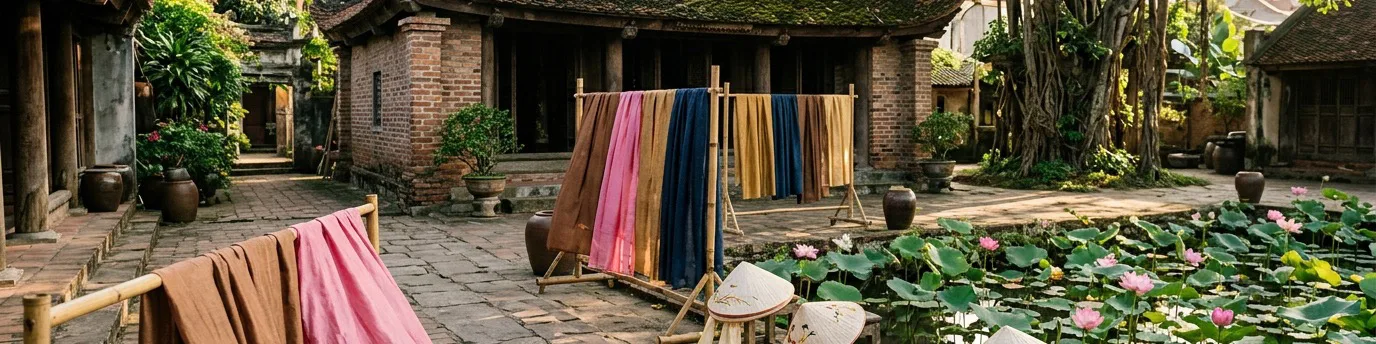
Welcome to Ao Tu Than (aotuthan.info), an independent digital cultural magazine and archival resource dedicated to researching, preserving, and celebrating the traditional four-part dress (Ao Tu Than) of Northern Vietnamese women. Founded by cultural historians, textile enthusiasts, and heritage writers, our publication documents the centuries-old sartorial traditions of the Red River Delta and the historic Kinh Bac heartland, where the flowing earthen-toned tunic and lyrical Quan Ho folk songs have been intertwined for generations.
Our Editorial Mission and Cultural Scope
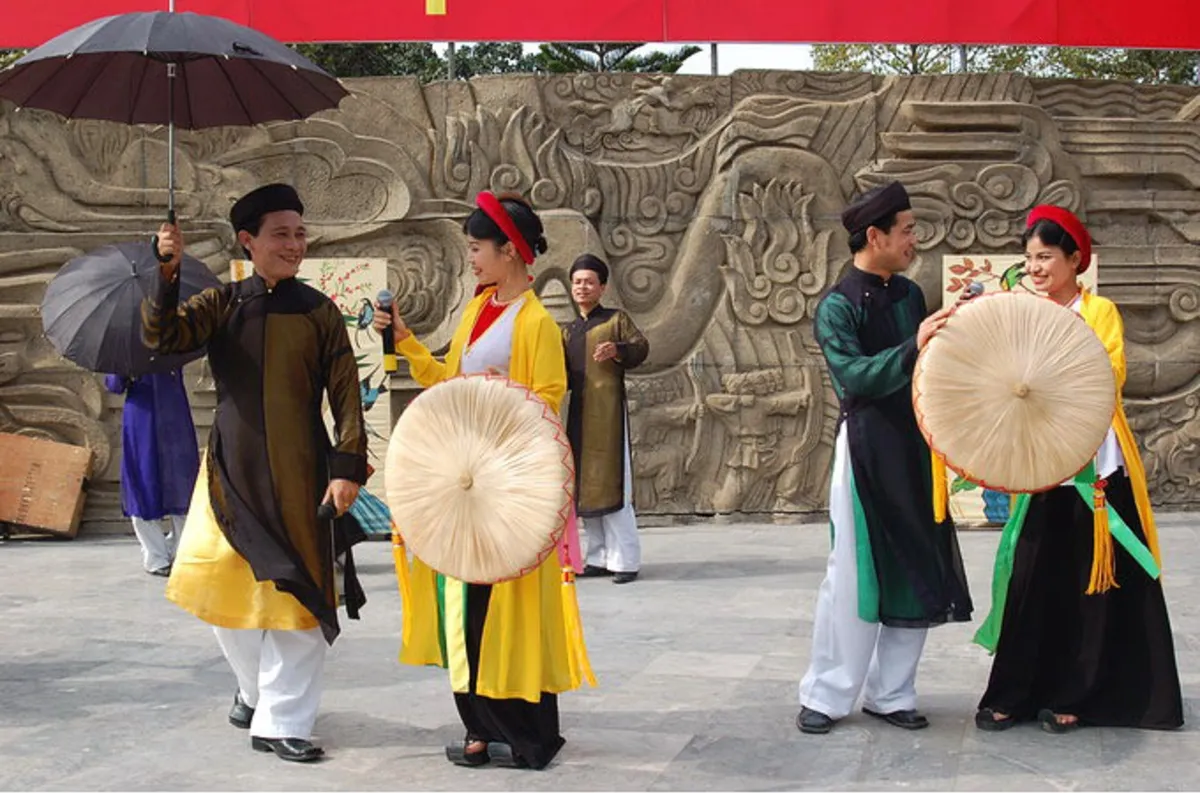
For hundreds of years, the Ao Tu Than served as both humble everyday attire for rural women and radiant ceremonial dress during village spring festivals. Every element of the ensemble—from the two joined back panels, the tied front flaps, and the crimson or lotus-pink yem bodice to the hand-woven silk sash, black crow-beak headscarf (khan mo qua), and broad palm-leaf hat (non quai thao)—reflects the diligence, modesty, and poetic spirit of Vietnamese women. Readers new to this heritage can begin with our comprehensive introduction to the Ao Tu Than to trace its origins from early feudal dynasties to modern cultural revivals.
What We Publish
Our editorial team curates detailed historical guides examining natural fabric dyeing, hand-loom silk weaving, and the distinctive structural characteristics of the Ao Tu Than alongside related garments such as the five-panel tunic (ao ngu than), Southern ao ba ba, and national ao dai. We also publish in-depth essays exploring how Quan Ho singers, folk dancers, and contemporary designers preserve the timeless traditional beauty of the Ao Tu Than across village festivals and modern runway collections.
- Archival Accuracy: Every article on aotuthan.info is carefully reviewed for historical fidelity, cultural respect, and clarity for international readers, students, and costume researchers.
- Community Collaboration: We partner with folklorists, village artisans, and cultural photographers to document authentic Northern Vietnamese dressmaking traditions.
We warmly invite researchers, fashion students, and cultural travelers to share archival insights or questions through our editorial team contact page as we work together to keep Vietnam’s traditional textile heritage vibrant for future generations.