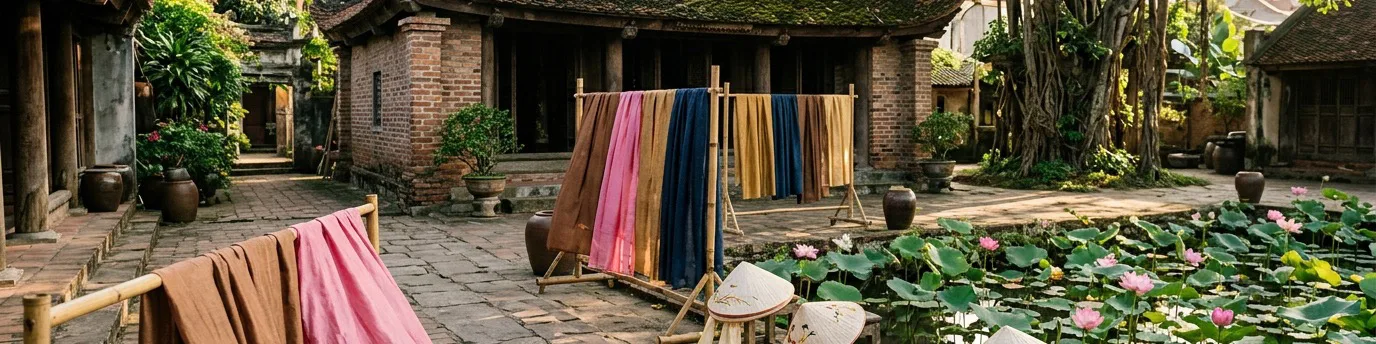
On New Year's Eve, as the old year draws to a close, the men of the Vietnamese household eagerly clean and decorate the ancestral altar, tidying the home with deep reverence while preparing their finest outfits for the three sacred days of Tet. At the same time, grandmothers, mothers, and sisters work diligently to finish every remaining household chore from the past year before midnight. From New Year's Eve onward, daily labor is set aside so that everyone can dress in festive attire, put on fresh makeup, and step out to celebrate the arrival of spring.
The Tradition of Dressing Finely for the Three Days of Tet
Across Vietnam, men and women, elders and children alike share the cherished desire to wear their newest and most beautiful garments as the Lunar New Year begins. Just as the classic folk proverb regarding festive cuisine declares that people may endure scarcity throughout the year yet feast abundantly for the three days of Tet, Vietnamese families apply the same heartfelt devotion to their holiday wardrobe. Everyone strives to dress far more vibrantly and gracefully than on ordinary working days. Putting on shimmering shades of crimson, peach blossom pink, and fine woven silk sweeps away the worries and hardships of the departing year while inviting auspicious luck and prosperity for oneself and loved ones. Through this custom, the Tet atmosphere becomes all the more sacred, joyful, and dignified, reflecting the enduring cultural values explored across our Beauty Archives.
The Eight-Panel Layered Ao Tu Than in Northern Spring Festivals
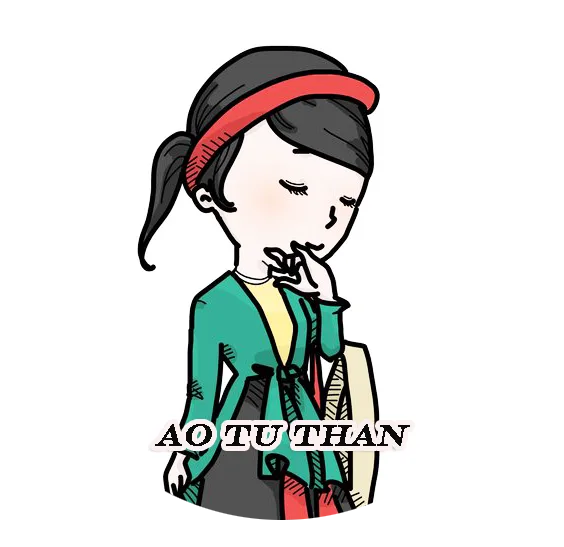
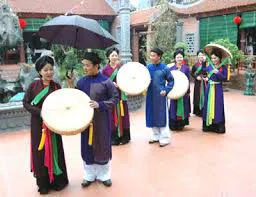
For centuries across the Northern Delta, village women saved their most exquisite four-panel dresses, crimson bodices, crow-beak headscarves, and flat palm hats with silk fringes specifically for the Lunar New Year and spring festivals. According to traditional Vietnamese belief, the four flowing panels of the standard tunic symbolize the four parents who nurture a married couple—one's biological parents and one's parents-in-law, a heritage deeply rooted in the unique history of Ao Tu Than. Yet during the festive days of Tet, young women in the northern plains often elevated the classic garment into an elaborate multi-layered ensemble featuring up to eight flowing flaps, famously known as layering three or seven robes together.
At the innermost layer sat a wide crimson bodice wrapped snugly around the back and tied securely across the front waist to shape a slender figure. Over the bodice, the wearer layered two delicate inner tunics in luminous hues—one in pale creamy-yellow reminiscent of young silk and another in natural lotus pink or sky blue. Finally, the outer dark-colored Ao Tu Than was slipped on, with its two front flaps knotted gracefully at the waist beside a colorful silk sash to showcase the vibrant inner layers peeking through the collar. Depending on each family's economic circumstances, the holiday tunic was tailored from fine brocade, patterned silk gauze, or handwoven tussah silk, with bright shades chosen for unmarried maidens and deeper tones reserved for older matrons. Paired with a black silk skirt and wide waistband, the ensemble exemplified the traditional costumes of Kinh Bac women in the past.
Harmony of Colors and Eastern Philosophy in Spring Attire
Up until the early twentieth century, even as the four-panel dress gradually receded from everyday agricultural labor, every Tet holiday saw this graceful attire return alongside the five-panel tunic and modern Ao Dai, revered as the national dress carrying the soul of the homeland. In earlier generations, traditional ceremonial tunics for both men and women were worn in layered sets over a crisp white silk inner robe. Married women favored refined black outer tunics with long sleeves, whereas young unmarried women dressed in pure white silk or pastel brocade. On grand ceremonial mornings, Vietnamese men likewise wore a black silk gauze robe over a white inner tunic, paired with a folded turban and white silk trousers.
Unlike the Ao Tu Than, which remained most prominent across the northern plains, the Ao Dai spread across every region of Vietnam as an unmistakable emblem of spring. Whenever Tet approached, people of all ages eagerly visited tailors to commission new silk robes in luminous shades of emerald green, golden yellow, crimson red, and royal purple. Whether choosing a modern tunic or celebrating the slender beauty with Ao Tu Than, families select bright colors for New Year's Day based on the Eastern philosophy of Yin-Yang and the Five Elements:
- Four Seasonal Hues: Emerald green, crimson red, royal purple, and golden yellow represent the cycle of Spring, Summer, Autumn, and Winter.
- Auspicious Calligraphy: Brocade patterns woven with the character for Double Happiness express the Vietnamese wish for a new year filled with family bliss.
- Taboo Colors Avoided: Plain black or stark white outfits are avoided during New Year's Day as they are traditionally associated with mourning.
Preserving Ancestral Heritage in Contemporary Life
For overseas Vietnamese living far from home, simply thinking of Tet immediately conjures visions of a spring sky glowing with peach blossoms, rustling silk tunics, and radiant smiles. In today's fast-paced world, global fashion trends have gradually replaced traditional garments in daily street life. During Tet today, city streets are filled with young people wearing trendy leggings, Korean-style trench coats, short fur jackets, mini skirts, and high boots, while traditional tunics appear primarily on stage or among elderly grandmothers visiting Buddhist temples in velvet robes scented with camphor wood.
Even so, Tet occupies three sacred days out of a three-hundred-and-sixty-five-day year when Vietnamese people turn back toward their ancestors and cultural origins. Every Vietnamese heart swells with pride seeing world leaders wear traditional silk tunics at APEC summits, watching beauty queens showcase national costumes on global stages, and knowing that Vietnamese students abroad carry traditional robes in their luggage to share with international friends. Wearing traditional attire during spring remains a living tribute and an enduring promise from the younger generation to honor the priceless legacy passed down by their forebears.